
At PRIA International Academy, our training workshops are designed to give you the best of both worlds: the flexibility of online learning and the hands-on experience of in-person workshops. We organise and deliver our own expert-led training sessions; while also designing customised training solutions for organisations based on their team’s specific learning needs.
Whether you’re a student, professional, or practitioner, these workshops help you dive deeper into your field and apply what you learn in real-life situations.
Training Workshop Structure
- Our training methods are thoughtfully structured to make learning effective and engaging
- Online self-learning (1 week): Learn at your own pace with carefully designed online modules
- Live webinar (1 - 2 hours): Connect with trainers and peers to discuss concepts and clarify doubts
- In-person workshop (3 - 5 days): Apply your knowledge through interactive, practical sessions
Workshops are scheduled at different times throughout the year, so you can plan ahead. Seats are limited, so it’s best to register early.
Why Join PRIA’s Training Workshops?
Since 1982, over 30,000 learners have benefited from our training programs, gaining valuable skills through a blend of online and offline learning. Our experienced trainers guide you every step of the way, ensuring you get both knowledge and practical exposure.
Active Training Workshop
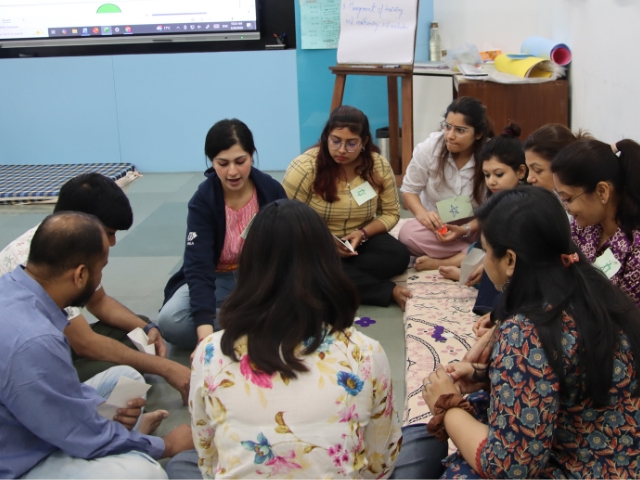
Participatory Training Methodology
Build the skills to design and facilitate engaging, learner-centred training using participatory methods.
This 3-day Training of Trainers (ToT) on Participatory Training Methodology is designed for facilitators, educators, youth leaders, and development practitioners...
Past Training Workshop
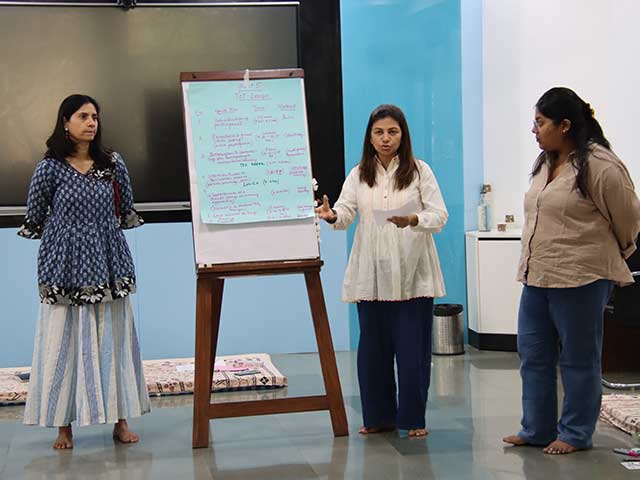
Theory of Change for Greater Impact
Developing an understanding of the benefits of using the Theory of Change approach in development planning, monitoring, and impact assessment.
Development practitioners are often asked, "What is your theory of change?". Prompting many to reflect on whether they have clearly articulated one. In an increasingly complex world, any development intervention that seeks to create meaningful change must be grounded in a clear understanding of how that change will occur. Every project or programme is based on a set of assumptions or hypotheses; together, these form a theory of change. However, traditional linear models of social change, built on rigid and often simplistic frameworks, are proving inadequate in addressing today’s dynamic realities. There are multiple ways to design change pathways, define change domains, and assess progress towards a shared vision. A flexible, adaptive, and context-sensitive approach to understanding development processes and measuring outcomes is now essential. PRIA International Academy’s two-day, face-to-face workshop on “Using Theory of Change for Greater Impact” is designed to address...
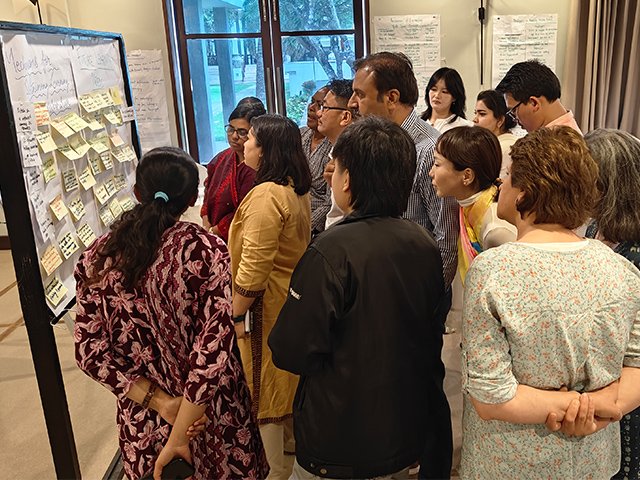
Strategic Planning (Series of 5 Master Classes)
Build practical skills to design, implement, and manage strategic plans that drive organisational growth, resilience, and long-term impact.
How does one define what an organisation is, what it does, and why it does it? Strategic planning offers a systematic answer to these fundamental questions. Strategic planning is a process to produce decisions and actions that shape and guide organisations. Within the development sector, strategic planning emerged as a response to the limitations imposed by conventional planning. Strategic planning is flexible, forward-looking, and built to handle uncertainty, which is important for the development of any organisation or programme operating in a complex and constantly changing environment. Strategic planning has been a standard practice in the management and planning of the corporate sector. However, in the development sector, many organisations still lack a clear understanding of how it can support their own organisational development. Strategic planning is relevant to organisations at different stages: those in their early, formative stage; those that are...
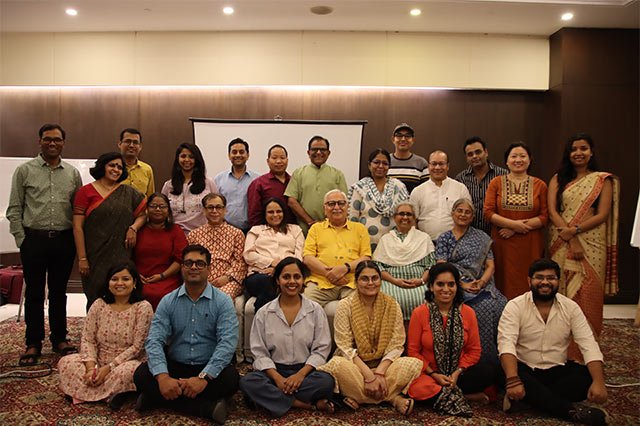
Participatory Training Methodology
This course provides hands-on Training of Trainers (ToT) skills to help facilitators create inclusive, interactive, and learner-centred training programmes.
This 3-day Training of Trainers (ToT) on Participatory Training Methodology is designed for facilitators, educators, youth leaders, and development practitioners who wish to strengthen their capacity to design and deliver impactful participatory training programmes. Unlike the online course, which focuses on conceptual understanding, this ToT moves a step further from theory to practice. The focus is on doing, reflecting, and improving. It emphasizes hands-on practice, peer learning, feedback, and reflective facilitation. Participants will engage in real-time facilitation practice, session design, and reflection on trainer identity and facilitation style. Through simulations, role-plays, group work, and feedback sessions, participants will not only learn about participatory training methods but also practice them in real time. At the end of the training, participants will be able to design and facilitate participatory sessions, incorporate feedback, and articulate their own trainer identity and facilitation style
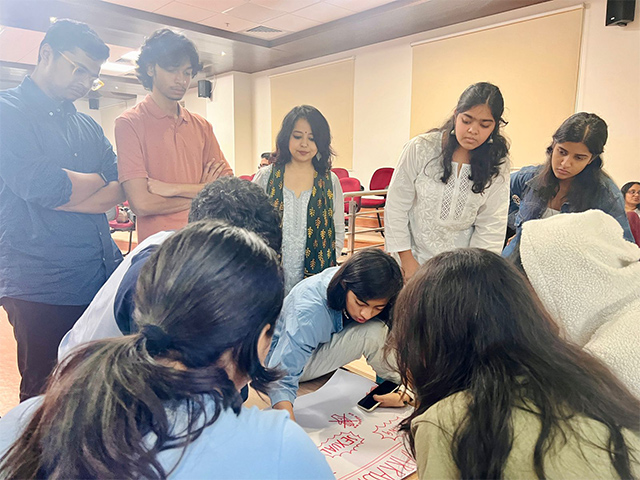
Training of Trainers on Facilitating Training on Prevention of Sexual Harassment at Workplace Act, 2013 (POSH Act)
Sexual harassment is one of the major forms of discrimination in the workplace today.
Sexual harassment is one of the major forms of discrimination in the workplace today. Having strong policies in place matters, but what matters just as much is how these policies are explained and implemented, and that is where trainers play a truly important role. If you conduct trainings on the Sexual Harassment of Women at Workplace (Prevention, Prohibition and Redressal), Act, 2013 (POSH Act) or want to introduce POSH training within your organisation, you need proper training from people who understand the POSH ecosystem inside out. This means understanding the law, knowing how to design training that actually has an effect, and being equipped to handle the conversations that come with it. Martha Farrell Foundation's two-day workshop is designed to equip HR professionals, individual trainers, development sector professionals, and university faculty members with the skills to design and facilitate trainings on the...
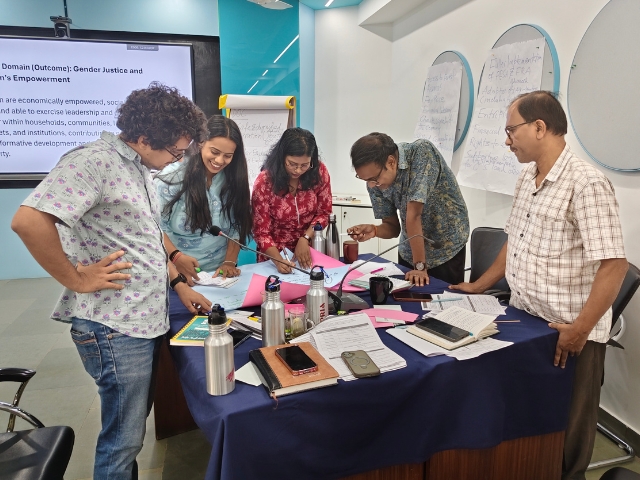
Participatory Monitoring, Evaluation and Learning: Co-creating Evidence
Develop hands-on expertise in participatory monitoring, evaluation, and learning to measure impact
Designing a programme is not a linear exercise of planning, implementation, and assessment; rather, it is a collective process shaped by the experiences, knowledge, and actions of diverse stakeholders. At the heart of this process are communities -the individuals and groups whose lives programmes seek to influence and improve. Yet, too often, social interventions are designed, monitored, and evaluated without the meaningful involvement of those most affected by them. Decisions about what constitutes success, whose voices are heard, and what evidence matters are frequently concentrated among donors, experts, and institutions, reinforcing existing power imbalances and limiting the agency of communities. Traditional Monitoring, Evaluation, and Learning (MEL) approaches have often relied on top-down and expert-driven methods that privilege technical knowledge over lived experience. Such approaches can result in evaluation processes that are extractive, where communities are treated primarily as sources of data...
Management and Leadership
Strengthen your leadership and management capabilities to lead teams effectively, drive collaboration, and achieve organisational success.
Enhance motivation and build positive attitudes towards work through team building Build self-awareness and enable participants to identify and strengthen their leadership styles Align individual goals with organisational goals effectively Strengthen communication skills for effective collaboration and organisational development Develop a comprehensive understanding of the CSR landscape in India and enable participants to identify and leverage CSR-based fundraising opportunities
Participatory Research Methodology
This course equips learners with the knowledge and tools to conduct ethical, inclusive, and participatory research effectively.
Understanding Participatory Research, including historical roots, principles, and key characteristics Exploring the role of a Participatory Researcher Learning CBPR methods and tools, including methodology with examples from PRIA's program and demonstration Understanding the ethics of Participatory Research

Introduction to Participatory Research Tools and Approaches
An introductory workshop exploring participatory frameworks, ethical engagement, and community collaboration.
Develop a comprehensive understanding of participatory approaches, including key concepts, frameworks, and tools Reflect on ethical considerations and practical challenges in implementing participatory approaches Acquire skills to design participatory projects tailored to specific community or organizational contexts
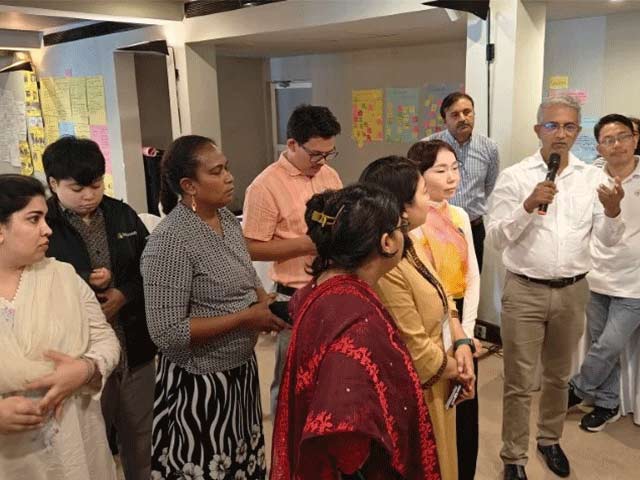
Youth-led Policy Advocacy and Accountability
This course helps young leaders build practical skills in policy advocacy, accountability, collaboration, and civic engagement.
Equip participating grantees with strategic insights and tools for effective youth engagement in policy advocacy and accountability Create an enabling environment for grantees to share their experiences and best practices in youth-led policy advocacy and accountability Strengthen collaboration among partners, fostering peer learning and collective problem-solving through synergized efforts
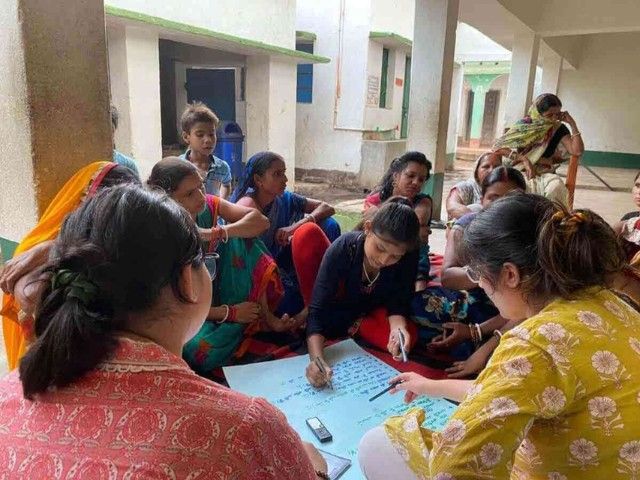
Water Quality Testing Training for SHG Women
A hands-on program training SHG women to test and monitor local water quality using simple tools and social mapping, highlighting its link to public health.
Train SHG women to understand the importance of water quality testing, map water sources in their community, and develop practical skills to conduct tests independently Highlight the significance of water quality testing for building safe and healthy communities Introduce the concept of social mapping and its application in identifying local water sources

Hear From Our Participants
वर्कशॉप में मुझे काफी कुछ नया सीखने को मिला। खासकर पार्टिसिपेटरी अप्रोच के बारे में जो बताया गया कि हम जिस तरह का चेंज सोसाइटी में देखना चाहते हैं, उसे लोगों की पार्टिसिपेशन के थ्रू कैसे सस्टेनेबल और लॉन्ग-लास्टिंग बनाया जा सकता है। लोगों की कैपेसिटी इस तरह बिल्ड करना कि आगे चलकर वो खुद उस चेंज का हिस्सा बनें और बिहेवियरल चेंज आए, यह मुझे काफी अच्छा और इंटरेस्टिंग लगा। वर्कशॉप काफी इंटरैक्टिव थी और डिस्कशंस में पार्टिसिपेट करने का भी अच्छा मौका मिला। ओवरऑल, मेरा एक्सपीरियंस अच्छा रहा और मुझे काफी नई चीज़ें सीखने को मिलीं।
(I learned a lot of new things at the workshop. Especially about the participatory approach, which explained how the kind of change we want to see in society can be made sustainable and long-lasting through people's participation. Building people's capacity in such a way that they themselves become part of that change and bring about behavioral change, I found this very beneficial and interesting. The workshop was very interactive, and I had a good opportunity to participate in the discussions. Overall, my experience was good, and I learned a lot of new things.)

Deepshika Verma, Programme Manager- Child Protection, Nirmal Initiative
I feel a little bit more confident in contributing more valuably. I feel like I understand the "why" of deciding the structures of MEL which I feel like was a major win for me because it was something that I was lacking at. Apart from that Facilities were excellent, the people, like everyone around us is very approachable, it was very good to talk to them. Even with the participants, the kind of ice breaking was done, I feel like I could interact with a lot of people throughout the workshop so that was really good.