
PIA today has over 2000 alumni from 35 countries and has linkages with several universities in India and Canada for course development, course teaching and internships.

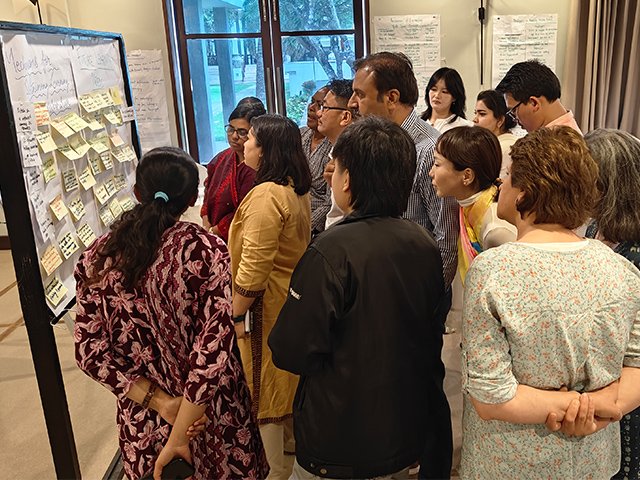
What I found most valuable in the workshop was that it gave me insight into how to approach people and involve them by analysing the situation.

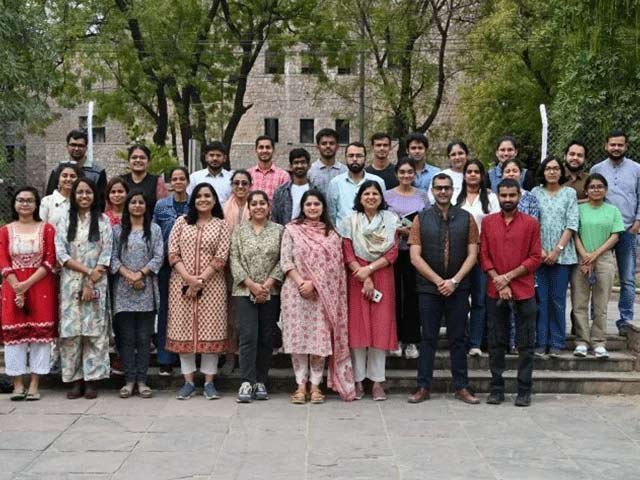
This course equips learners with the knowledge and tools to conduct ethical, inclusive, and participatory research effectively.
This course equips learners with the knowledge and tools to conduct ethical, inclusive, and participatory research effectively.
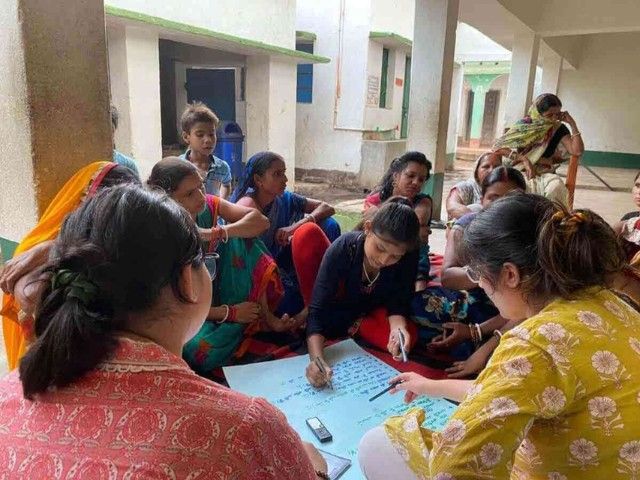
A hands-on program training SHG women to test and monitor local water quality using simple tools and social mapping, highlighting its link to public health.
A hands-on program training SHG women to test and monitor local water quality using simple tools and social mapping, highlighting its link to public health.
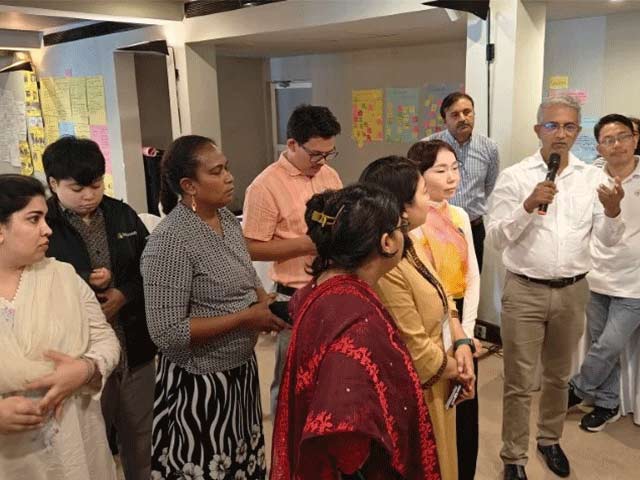
This course helps young leaders build practical skills in policy advocacy, accountability, collaboration, and civic engagement.
This course helps young leaders build practical skills in policy advocacy, accountability, collaboration, and civic engagement.
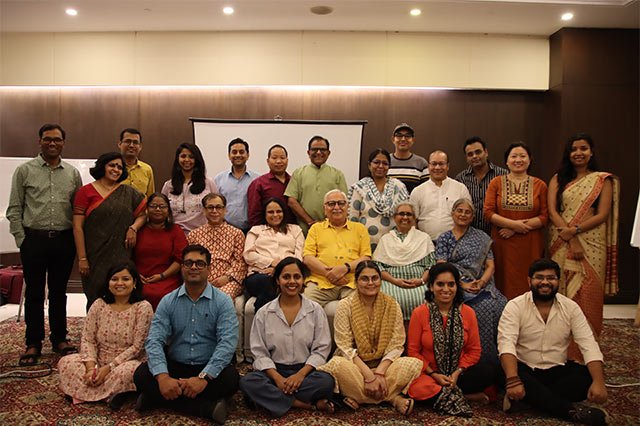
This course provides hands-on Training of Trainers (ToT) skills to help facilitators create inclusive, interactive, and learner-centred training programmes.
This course provides hands-on Training of Trainers (ToT) skills to help facilitators create inclusive, interactive, and learner-centred training programmes.
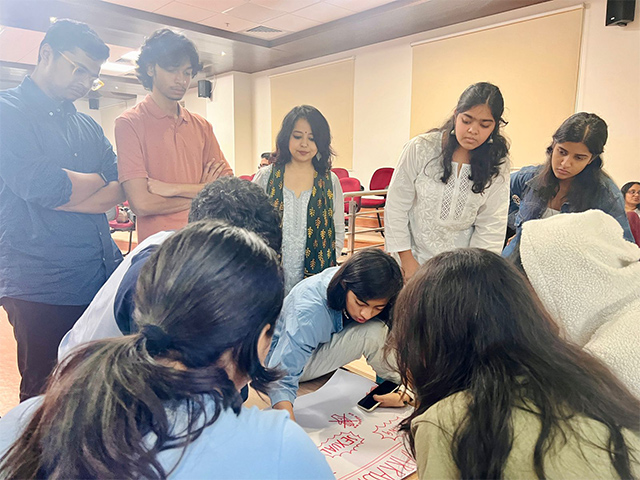
Sexual harassment is one of the major forms of discrimination in the workplace today.
Sexual harassment is one of the major forms of discrimination in the workplace today.
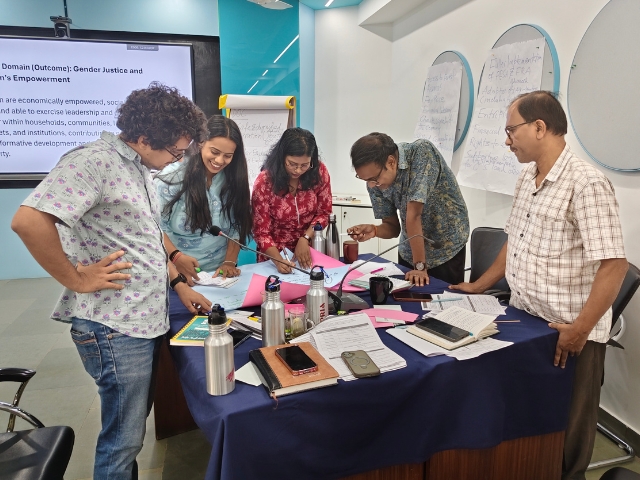
Develop hands-on expertise in participatory monitoring, evaluation, and learning to measure impact
Develop hands-on expertise in participatory monitoring, evaluation, and learning to measure impact
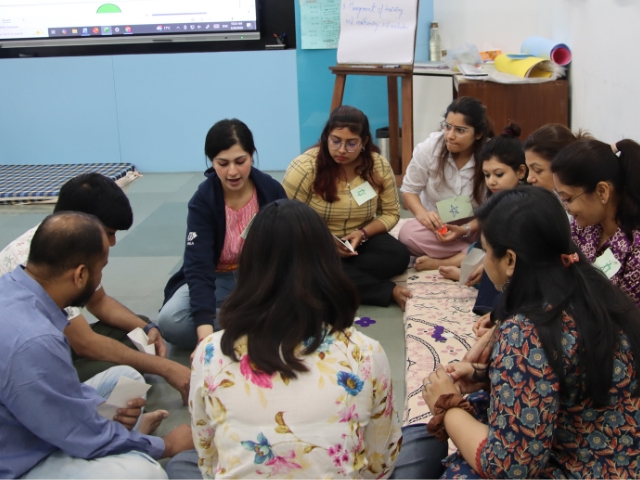
Build the skills to design and facilitate engaging, learner-centred training using participatory methods.
Build the skills to design and facilitate engaging, learner-centred training using participatory methods.
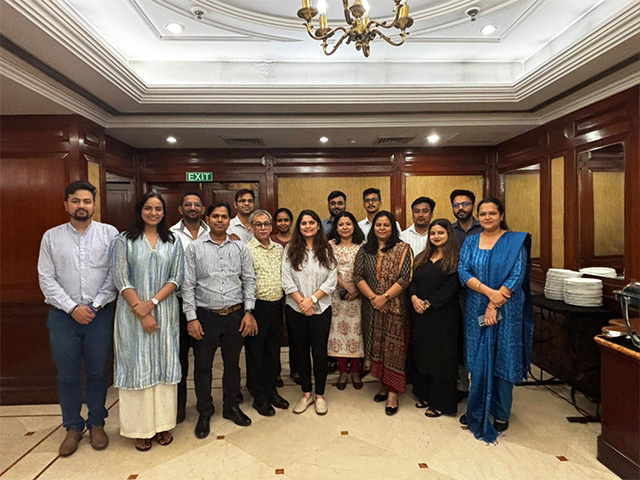
Strengthen your leadership and management capabilities to lead teams effectively, drive collaboration, and achieve organisational success.
Strengthen your leadership and management capabilities to lead teams effectively, drive collaboration, and achieve organisational success.
Build practical skills to design, implement, and manage strategic plans that drive organisational growth, resilience, and long-term impact.
Build practical skills to design, implement, and manage strategic plans that drive organisational growth, resilience, and long-term impact.
Ashwini Todkari, Student, ISDM College
November 12, 2025I learned how to interact with the community through organic bonding and without judgement. Observation is essential, but questions should not be asked in a negative way.