
PIA today has over 2000 alumni from 35 countries and has linkages with several universities in India and Canada for course development, course teaching and internships.
How does one define what an organisation is, what it does, and why it does it?
Strategic planning offers a systematic answer to these fundamental questions. Strategic planning is a process to produce decisions and actions that shape and guide organisations. Within the development sector, strategic planning emerged as a response to the limitations imposed by conventional planning. Strategic planning is flexible, forward-looking, and built to handle uncertainty, which is important for the development of any organisation or programme operating in a complex and constantly changing environment.
Strategic planning has been a standard practice in the management and planning of the corporate sector. However, in the development sector, many organisations still lack a clear understanding of how it can support their own organisational development. Strategic planning is relevant to organisations at different stages: those in their early, formative stage; those that are more mature and facing new opportunities and demands from their constituencies; and those whose growth has plateaued after a period of expansion. This makes it essential for organisations at every stage - including NGOs, CSR foundations and other development sector institutions - to understand and apply strategic planning in ways suited to their own context and needs.
PRIA International Academy'sMaster Class Series on Strategic Planning is designed to deepen participants' understanding of strategic planning processes and its relevance to organisations at different stages of development. Through these sessions, participants will learn to think strategically, formulate effective strategies, clarify future direction, and establish organisational priorities. The sessions will also help participants understand how strategic planning strengthens monitoring and evaluation processes. Further, they explore how strategic planning enables organisations to respond effectively to external threats and opportunities, while building on their strengths and addressing their weaknesses - making it a valuable addition to any leadership development program or NGO management course.
Understand strategic planning and its relevance across different stages of organisational development
Learn about key tools, frameworks and systems used to formulate effective strategies, including.
Understand how strategic planning supports monitoring and evaluation and helps organisations respond to external threats and challenges
Deeper understanding of Strategic Planning and how it is implemented differently from conventional planning
Ability to think strategically and develop effective plans for their own organisational or programme context.
Skills to assess their organisation's internal strengths and weaknesses, and external threats and opportunities
Ability to make decisions across different levels and functions, and demonstrate stronger teamwork, leadership skills and expertise
Skills to set a clear future direction for their organisation and turn it into actionable priorities, strengthening broader organisational development and leadership training practice
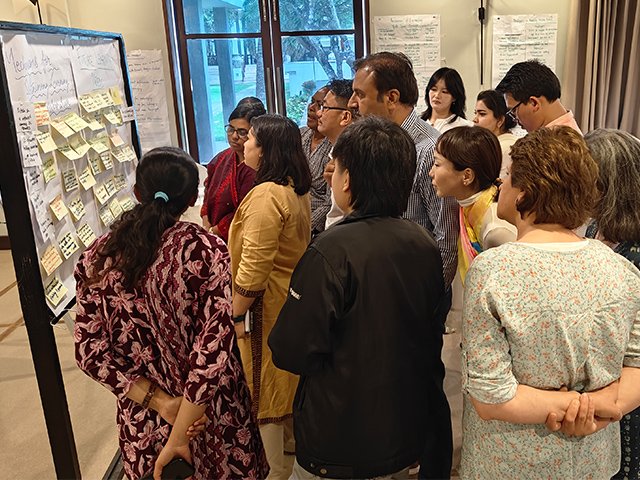
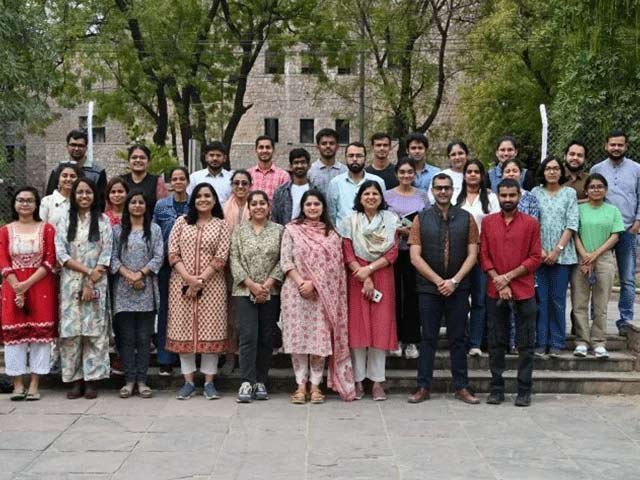
This course equips learners with the knowledge and tools to conduct ethical, inclusive, and participatory research effectively.
This course equips learners with the knowledge and tools to conduct ethical, inclusive, and participatory research effectively.
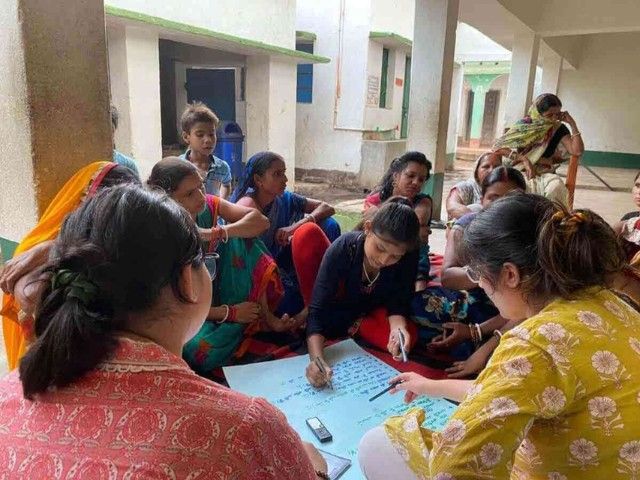
A hands-on program training SHG women to test and monitor local water quality using simple tools and social mapping, highlighting its link to public health.
A hands-on program training SHG women to test and monitor local water quality using simple tools and social mapping, highlighting its link to public health.
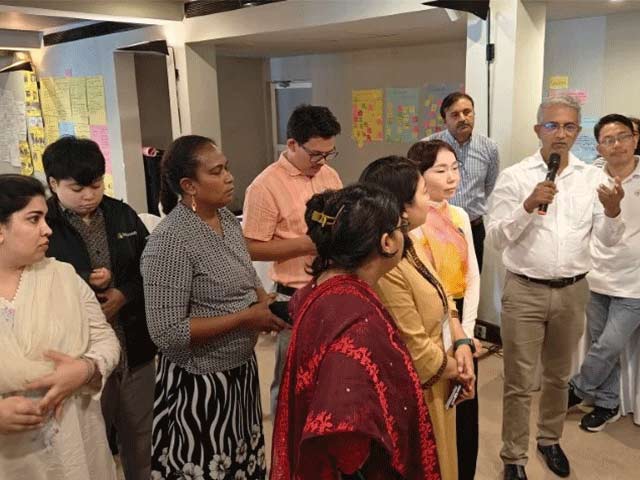
This course helps young leaders build practical skills in policy advocacy, accountability, collaboration, and civic engagement.
This course helps young leaders build practical skills in policy advocacy, accountability, collaboration, and civic engagement.

An introductory workshop exploring participatory frameworks, ethical engagement, and community collaboration.
An introductory workshop exploring participatory frameworks, ethical engagement, and community collaboration.
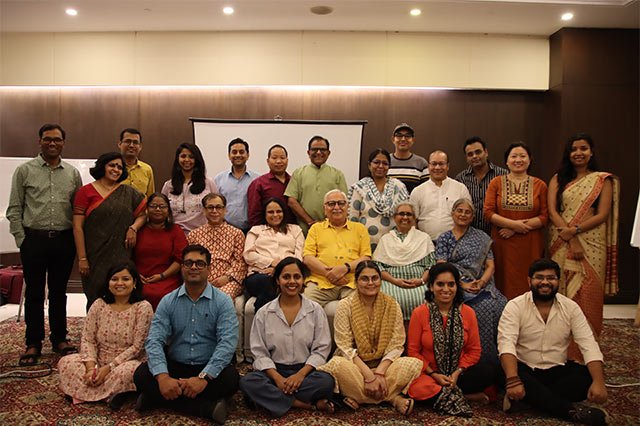
This course provides hands-on Training of Trainers (ToT) skills to help facilitators create inclusive, interactive, and learner-centred training programmes.
This course provides hands-on Training of Trainers (ToT) skills to help facilitators create inclusive, interactive, and learner-centred training programmes.
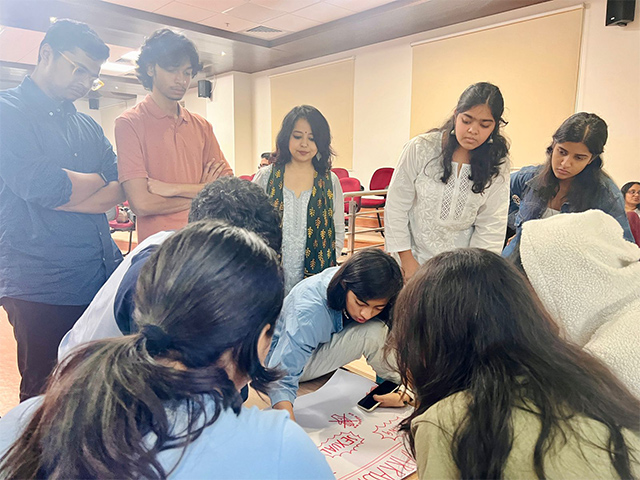
Sexual harassment is one of the major forms of discrimination in the workplace today.
Sexual harassment is one of the major forms of discrimination in the workplace today.
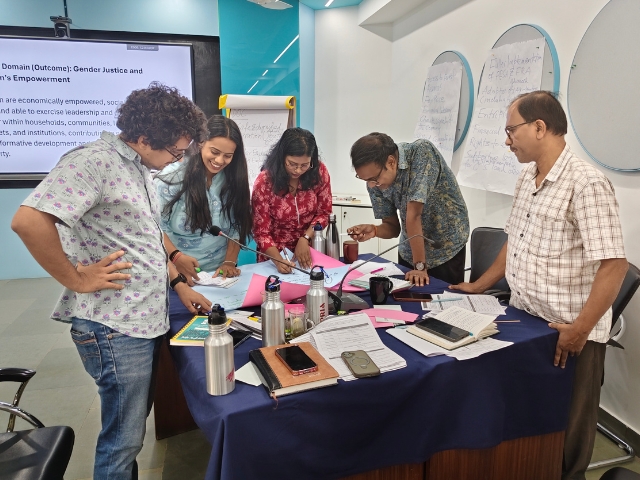
Develop hands-on expertise in participatory monitoring, evaluation, and learning to measure impact
Develop hands-on expertise in participatory monitoring, evaluation, and learning to measure impact
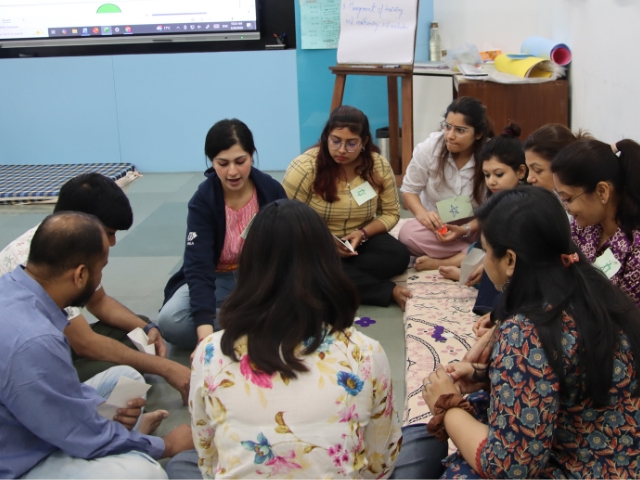
Build the skills to design and facilitate engaging, learner-centred training using participatory methods.
Build the skills to design and facilitate engaging, learner-centred training using participatory methods.
Strengthen your leadership and management capabilities to lead teams effectively, drive collaboration, and achieve organisational success.
Strengthen your leadership and management capabilities to lead teams effectively, drive collaboration, and achieve organisational success.
No reviews yet. Be the first to review this course!